Qióngqí

窮奇Qiongqi

One of the notorious Four Perils of ancient China: a monstrous man-eating beast of Mount Gui described alternately as an ox with hedgehog bristles or a winged tiger, banished to the remote frontiers by Emperor Shun.华夏上古恶名昭彰的“四凶”之一,栖息于邽山之巅的食人凶兽;古籍载其状如牛而生刺猬硬毛、叫声如狂犬,亦有说其状如生翼猛虎,后为舜帝流放至四方边裔。

Body身形

Shaped like an ox样子像牛

其狀如牛

Coat皮毛

Bristles like a hedgehog长着硬如刺猬的鬃毛

猬毛

Variant异形

Said to be a winged tiger又载状若生翼猛虎

狀如虎,有翼

Peril凶名

Exiled as one of Four Perils流放边裔之四凶

流四凶族

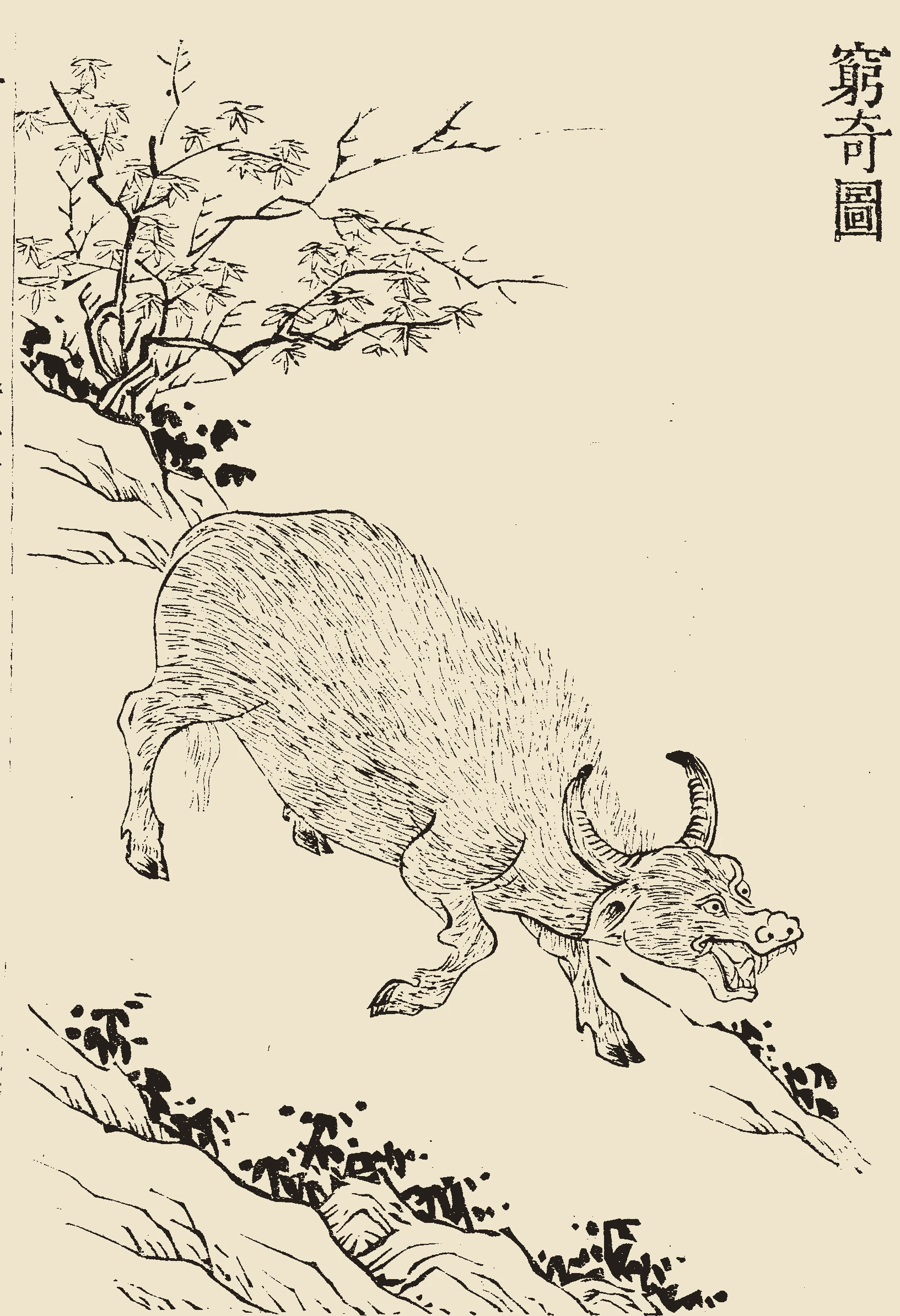
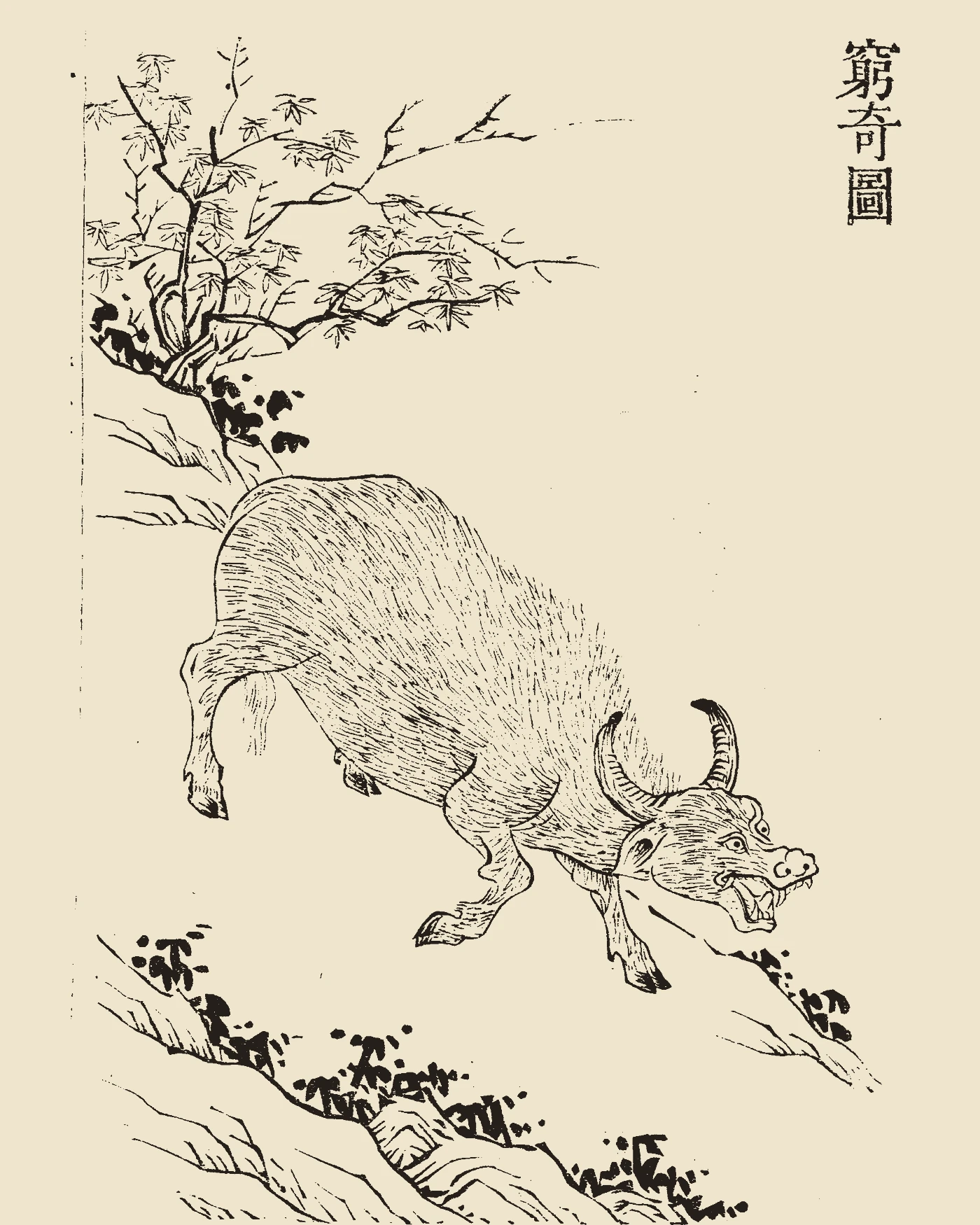
Woodblock print from Gujin Tushu Jicheng showing the bristly ox-like beast Qiongqi charging down a rocky slope, inscribed 'Qiongqi Tu'其狀如牛Ox-like torso身形壮硕,如健牛负重其狀如牛Ox-like torso身形壮硕,如健牛负重猬毛Hedgehog bristles通体覆以刺猬般直竖硬毛猬毛Hedgehog bristles通体覆以刺猬般直竖硬毛如牛之角Curved horns额顶生有双角,向前弯翘如牛之角Curved horns额顶生有双角,向前弯翘是食人Fanged jaws口齿尖利,吼声如犬食人是食人Fanged jaws口齿尖利,吼声如犬食人

The Gujin Tushu Jicheng print illustrates Qiongqi in the ox-like, hedgehog-bristled form described in the Classic of the Western Mountains. The alternative winged-tiger form recorded in the Classic of Regions Within the Northern Sea is not depicted in these woodblocks.《古今图书集成》所绘穷奇呈《西山经》中状如牛、毛如猬刺之形;而《海内北经》所载状若猛虎、背生双翼之形态,在明清古版画中均未绘出。

音如獆狗,是食人

Its cry sounds like a howling dog, and it devours humans.

山海經·西山經

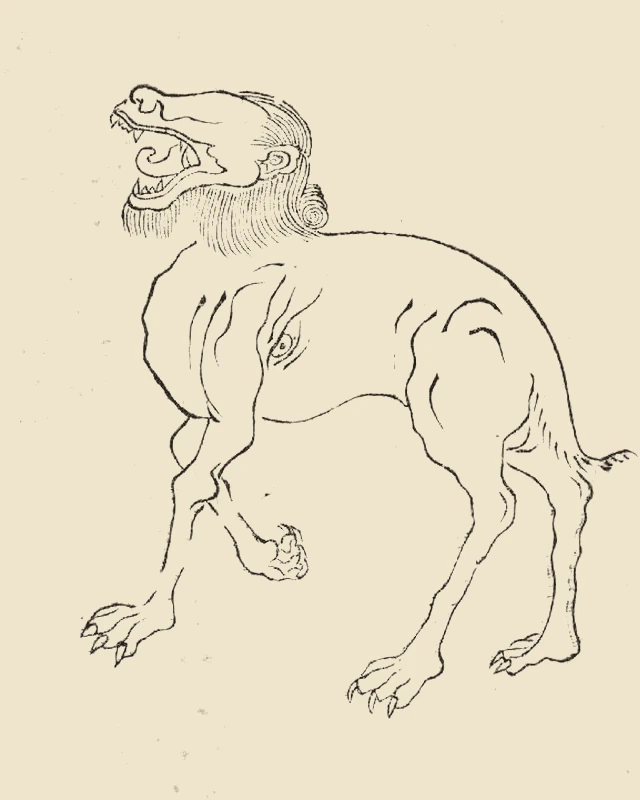
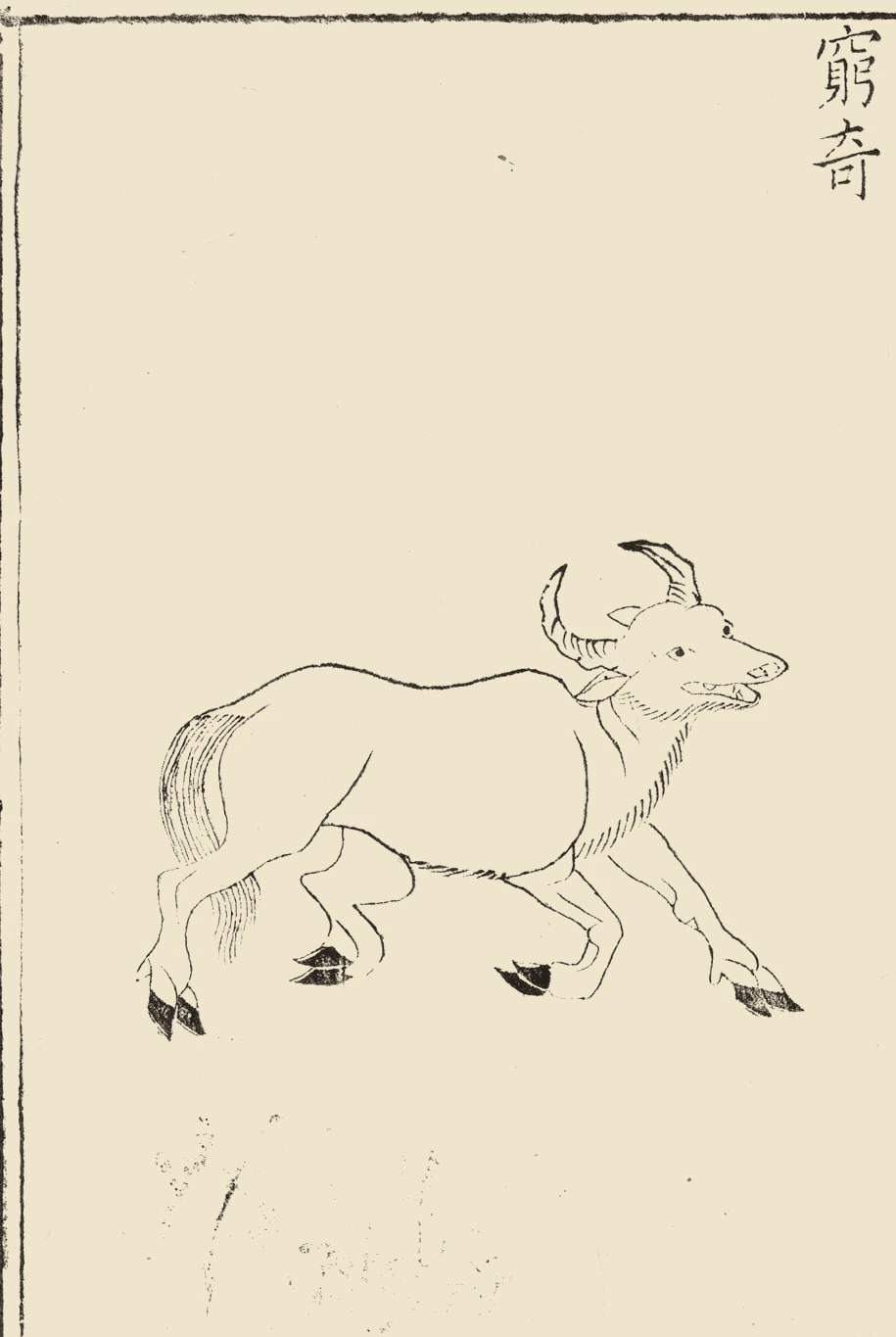
Hu Wenhuan's 1593 woodblock print of Qiongqi明·胡文焕《新刻山海经图》中的穷奇插图 — Ming woodblock print showing an ox-like beast trotting calmly without bristles明代格致丛书本版画,呈四蹄平稳缓行的小牛形貌,未作刺状长毛

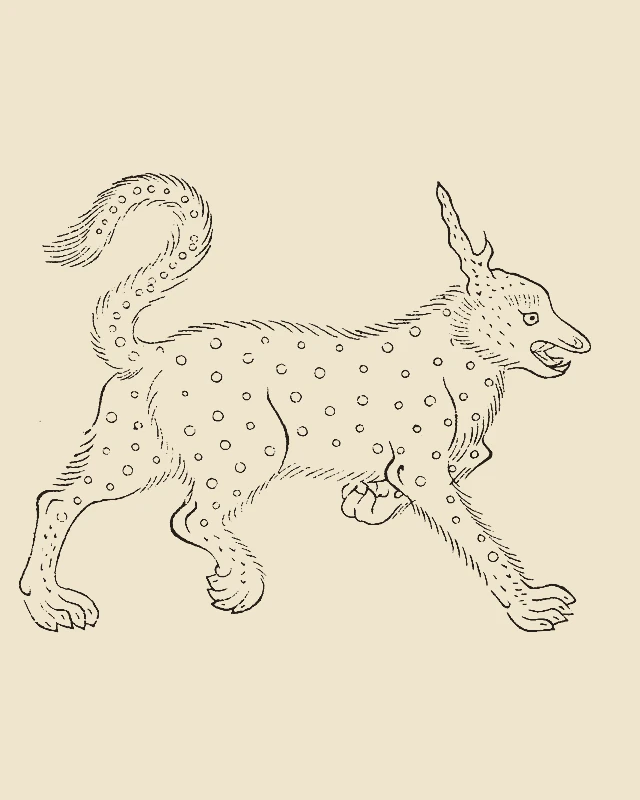
Wang Fu's Qing dynasty woodblock print from Shan Hai Jing Cun清·汪绂《山海经存》中的穷奇木刻画 — Qing woodblock print depicting a horned beast covered in shaggy needle-like spines清代徽州刻本版画,通体密布长针状倒竖硬毛,作昂首俯瞰之状

Qiongqi Tu 窮奇圖, the bristled ox-like man-eater charging down a rocky slope. Gujin Tushu Jicheng 古今圖書集成, Qin Chong Dian (Section on Birds and Animals), woodblock print, 1726清·陈梦雷等编《古今图书集成·禽虫典》“穷奇图”,雍正四年(1726)铜活字印本 · Public domain公有领域Woodblock print of Qiongqi from Hu Wenhuan's Xin Ke Shan Hai Jing Tu, juan 1, page 14, 1593 (Wanli era, Ming dynasty)明万历二十一年(1593)胡文焕编《新刻山海经图》卷上第14页“穷奇”插图木刻版画 · Hu Wenhuan 胡文煥 (ed.)胡文焕 编, 15931593年Woodblock illustration of Qiongqi from Wang Fu's Shan Hai Jing Cun, Qing dynasty (1895 reprint of 18th-century edition)清·汪绂撰《山海经存》中的“穷奇”插图木刻版画 · Wang Fu 汪紱 (1692–1759)汪紱(1692–1759), 18th century18世纪

Highlighted words: anatomy part · feature · form type — tap to jump标色词:形态部位 · 特征 · 形态类别,点击可跳转

The texts原文

Original Text & Translation原文与译文

山海經·西山經 · Shan Hai Jing · Wikisource

又西二百六十里,曰邽山。其上有獸焉,其狀如牛,猬毛,名曰窮奇,音如獆狗,是食人。
Two hundred and sixty li further west is Mount Gui. A beast dwells upon it shaped like an ox with hedgehog-like bristles, named Qiongqi; its cry sounds like a howling dog, and it devours humans.

山海經·海內北經 · Shan Hai Jing · Wikisource

窮奇狀如虎,有翼,食人從首始,所食被髮,在蜪犬北。一曰從足。
Qiongqi is shaped like a tiger with wings; when eating humans it begins from the head, devouring those with dishevelled hair; it dwells north of the Taogou dogs. Another account says it begins from the feet.
Show all sources (3)展开全部出处(3)

春秋左氏傳·文公十八年 · Zuo Zhuan · Wikisource

少皞氏有不才子,毀信廢忠,崇飾惡言,靖譖庸回,服讒蒐慝,以誣盛德,天下之民,謂之窮奇。……流四凶族,渾敦,窮奇,檮杌,饕餮,投諸四裔,以禦螭魅。
The Shaohao clan had an unworthy son who destroyed trust, discarded loyalty, adorned wicked words, fostered slander, and concealed vice to malign noble virtue; the people of the world called him Qiongqi. … Emperor Shun banished the Four Peril clans — Hundun, Qiongqi, Taowu, and Taotie — casting them out to the four frontiers to ward off demonic spirits.

Comparing the Books典籍对比

The Shan Hai Jing presents two distinct zoomorphic traditions for Qiongqi: the Western Mountains depict an ox covered in needle-like bristles who howls like a dog, while the Northern Sea describes a winged tiger devouring humans. The Zuo Zhuan moralizes the creature as one of the legendary Four Perils banished to protect civilization.
The story来历与故事

One of the notorious Four Perils of ancient China: a monstrous man-eating beast of Mount Gui described alternately as an ox with hedgehog bristles or a winged tiger, banished by Emperor Shun to the remote frontiers.

The Ox-like Man-Eater of Mount Gui邽山凶兽:如牛猬毛与猛犬之音

Recorded in the Western Mountains, Qiongqi roams crags with hedgehog bristles and dog-like howls.《西山经》记载穷奇居于邽山,身覆刺猬般的倒竖硬毛,吼声如猎犬狂吠,嗜好噬食生人。

In the Classic of the Western Mountains of the Shan Hai Jing, Qiongqi is introduced as a formidable mountain beast dwelling upon the rugged crags of Mount Gui: 'Two hundred and sixty li further west is Mount Gui. A beast dwells upon it shaped like an ox with hedgehog-like bristles, named Qiongqi; its cry sounds like a howling dog, and it devours humans.'

This primal account stands in intriguing contrast with the Classic of Regions Within the Northern Sea, which records an entirely different zoomorphic tradition: 'Qiongqi is shaped like a tiger with wings; when eating humans it begins from the head, devouring those with dishevelled hair; it dwells north of the Taogou dogs.' This dual iconography—the bristled ox and the winged tiger—has fueled artistic and literary imagination across millennia.

Woodblock print of Qiongqi from Hu Wenhuan's Xin Ke Shan Hai Jing Tu, juan 1, page 14, 1593 (Wanli era, Ming dynasty)
Woodblock print of Qiongqi from Hu Wenhuan's Xin Ke Shan Hai Jing Tu, juan 1, page 14, 1593 (Wanli era, Ming dynasty)明万历二十一年(1593)胡文焕编《新刻山海经图》卷上第14页“穷奇”插图木刻版画

One of the Four Perils Banished to the Four Extremities流放四凶与惩恶扬善的上古秩序

Rebuked for deceit and wickedness in the Zuo Zhuan, Qiongqi was exiled by Shun to guard the frontiers.在《左传》中被列为少皞氏不才子,因颠倒善恶、残害忠良,终被舜帝流放至四裔以御魑魅。

In classical Confucian historiography, Qiongqi transcends the realm of mere predatory fauna to become an archetype of moral perversion. The Zuo Zhuan (Duke Wen, 18th Year) recounts: 'The Shaohao clan had an unworthy son who destroyed trust, discarded loyalty, adorned wicked words, fostered slander, and concealed vice to malign noble virtue; the people of the world called him Qiongqi.'

Recognizing that cosmic harmony required absolute justice, the sage-king Shun dealt decisively with the transgressor clans: 'Emperor Shun banished the Four Peril clans — Hundun, Qiongqi, Taowu, and Taotie — casting them out to the four frontiers to ward off demonic spirits.' By driving Qiongqi to the northwestern boundary, Shun transformed primeval malevolence into a protective outer bulwark against uncanny wilderness forces.

From Primeval Evil to Classical Bestiary Icon从神异恶煞到华夏志怪凶兽代表

Contrasting ox and winged tiger depictions in classical art reflect centuries of evolving mythology.古本版画中状如刺猬牛与典籍中生翼猛虎两种形象,构成了穷奇在后世志怪与仙侠作品中的独特符号。

Throughout later dynastic mythology and folklore, Qiongqi's moral inversions grew even more vivid. Dongfang Shuo's Shen Yi Jing describes the winged tiger Qiongqi flying to the scene of mortal disputes: whenever two people fought, the beast unerringly devoured the righteous party; whenever someone acted honestly, Qiongqi bit off their nose, yet rewarded the treacherous with game.

In modern culture, the imagery of Qiongqi has experienced a resounding renaissance. While classical woodblock prints in the Gujin Tushu Jicheng and Shan Hai Jing Cun depict the bristled ox, modern donghua, manhua, and blockbuster games like Black Myth: Wukong and Honor of Kings overwhelmingly favor the majestic, lethal silhouette of the winged tiger, cementing Qiongqi as a premier draconic-feline demon lord of Chinese fantasy.

Record档案

Record Card档案卡

TypeFierce Beast (ox-like man-eater / Four Perils)
Also known asOne of the Four Perils (四凶); Bristled Ox; Winged Tiger of the North
Earliest sourceShan Hai Jing 山海經 (Classic of the Western Mountains & Classic of Regions Within the Northern Sea, c. 4th–2nd c. BCE)
DevastationDevours human beings starting from the head; in ancient lore, punishes the righteous and encourages the wicked
Exile by ShunBanished alongside Hundun, Taowu, and Taotie by Emperor Shun to the four frontiers to repel demonic spirits
SymbolismAncient archetype of malice, perversion of moral justice, and primeval ferocious monstrosity
Earliest source山海經·西山經
Source books山海經·西山經
山海經·海內北經
春秋左氏傳·文公十八年
Image sourceChen Menglei 陳夢雷 (ed.) · Wikimedia Commons
LicensePublic domain

Frequently Asked Questions

What is Qiongqi in Chinese mythology?

Qiongqi is one of the legendary Four Perils (Si Xiong) of ancient Chinese myth. He is described either as a giant ox with hedgehog-like bristles who devours humans, or as a winged tiger.

Why was Qiongqi banished by Emperor Shun?

According to the Zuo Zhuan, Qiongqi represents an unworthy son of the Shaohao clan who slandered the virtuous, destroyed trust, and rewarded evil. Emperor Shun banished the Four Peril clans to the remote frontiers to protect the empire and ward off evil spirits.

Why are there two different forms for Qiongqi?

The Shan Hai Jing preserves regional oral traditions: the Western Mountains describe an ox with bristly quills, while the Northern Sea describes a winged tiger. Both reflect ancient attempts to imagine supreme predatory terror.

Does the hero woodblock print show wings?

No. The Gujin Tushu Jicheng and Ming woodblock editions both illustrate the ox-like form with bristles described in the Classic of the Western Mountains; neither shows the winged tiger form.