Gǔdiāo

蛊雕Gudiao

The man-eating horned beast from the Shan Hai Jing: eagle-like yet horned, crying like an infant, and preying upon humans in southern streams.《山海经》记载鹿吴山泽更水中的食人角兽:状如雕而有角,其音如婴儿之音,以人为食。

Form外形

Like an eagle样子像雕

其狀如雕

Horn头角

Bears a horn头上有角

而有角

Voice叫声

Cries like an infant叫声像婴儿

其音如嬰兒之音

Peril凶性

Eats human beings会吃人

是食人

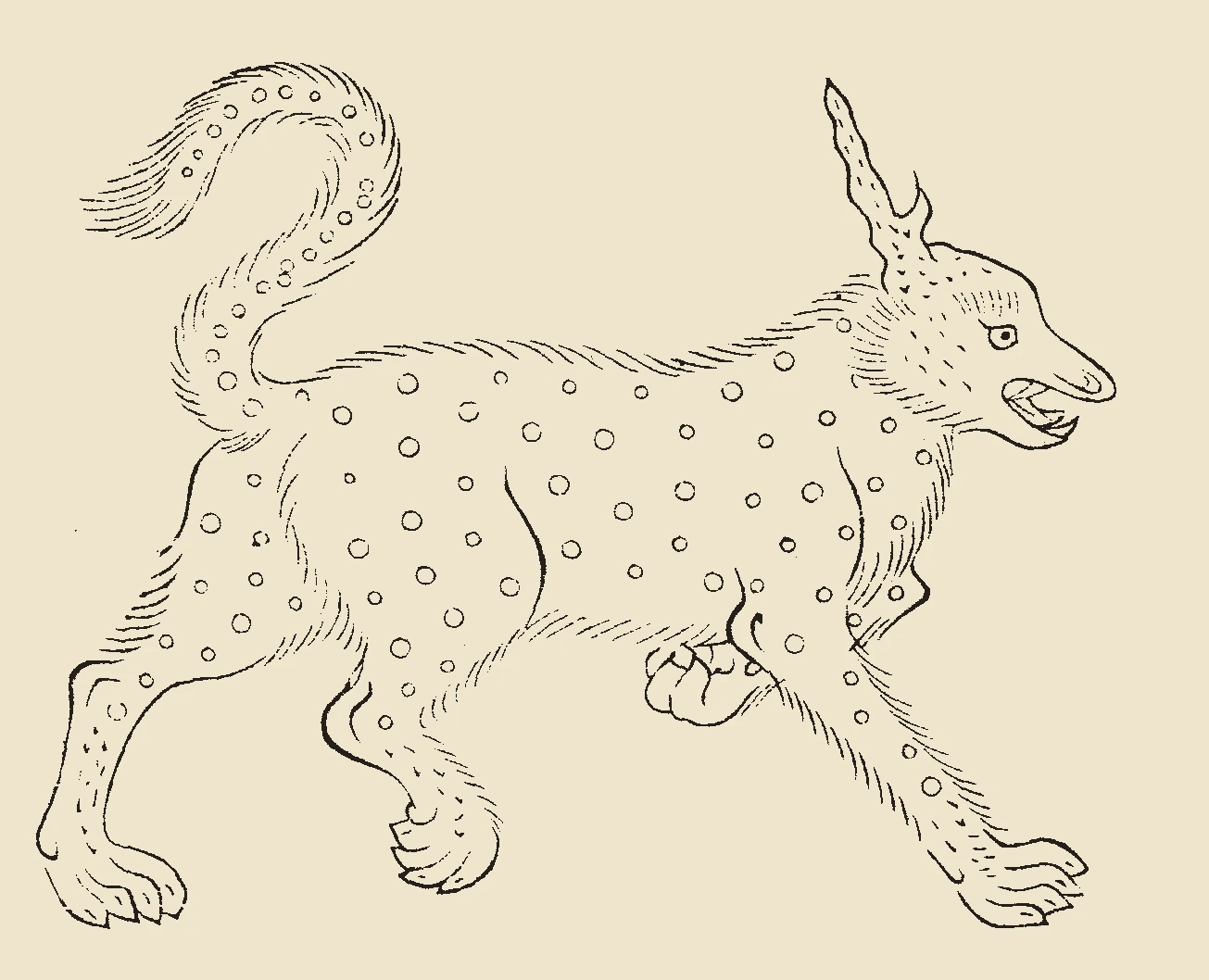
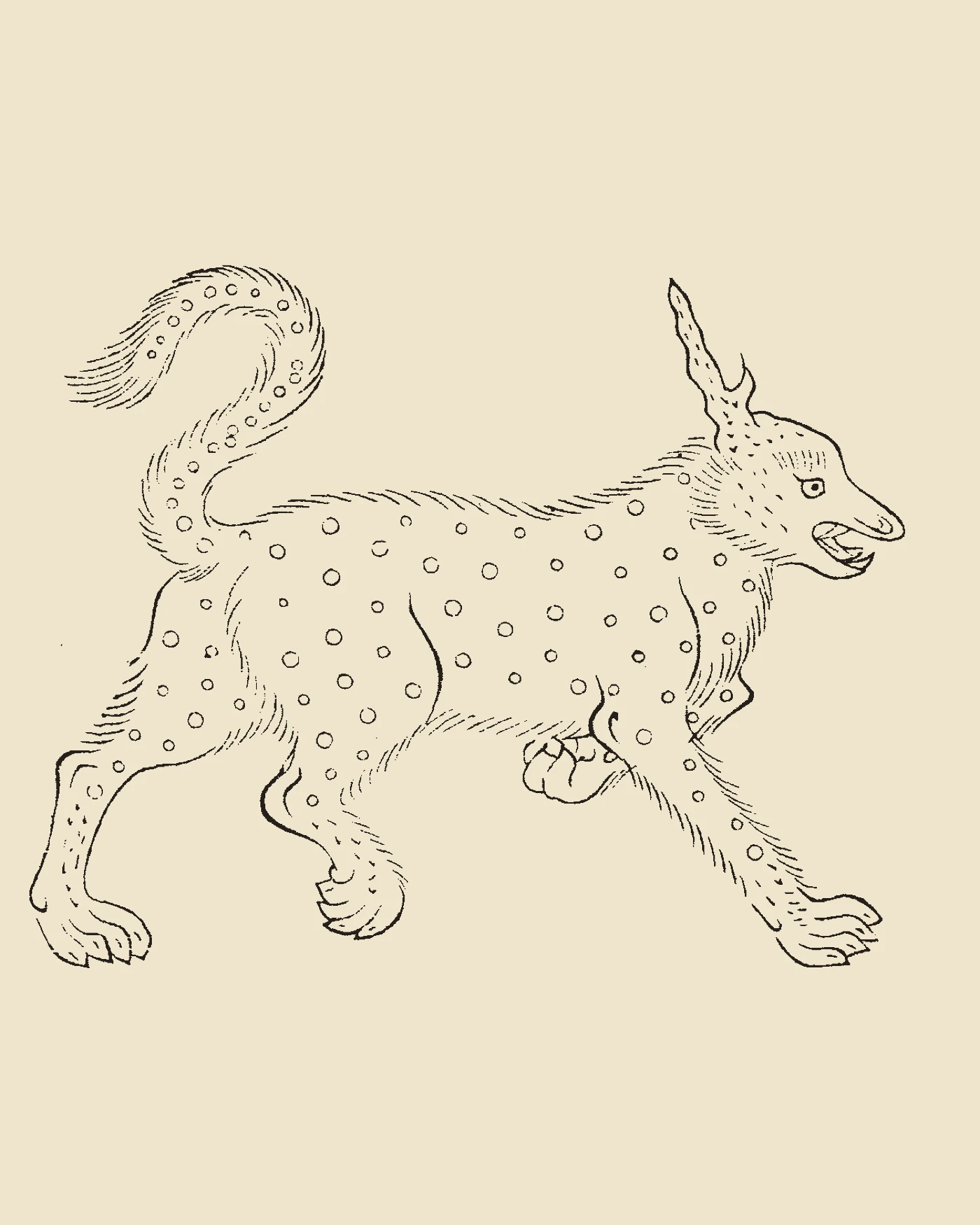
Woodblock print from Gujin Tushu Jicheng showing Gudiao, a horned spotted four-legged beast而有角Horn头上的角而有角Horn头上的角獸面Beast face画中是兽的面孔獸面Beast face画中是兽的面孔斑點Spotted torso身上有斑点斑點Spotted torso身上有斑点四足Four legs四条腿四足Four legs四条腿
水有獸焉,名曰蠱雕

In the water there is a beast named Gudiao.

山海經·南山經

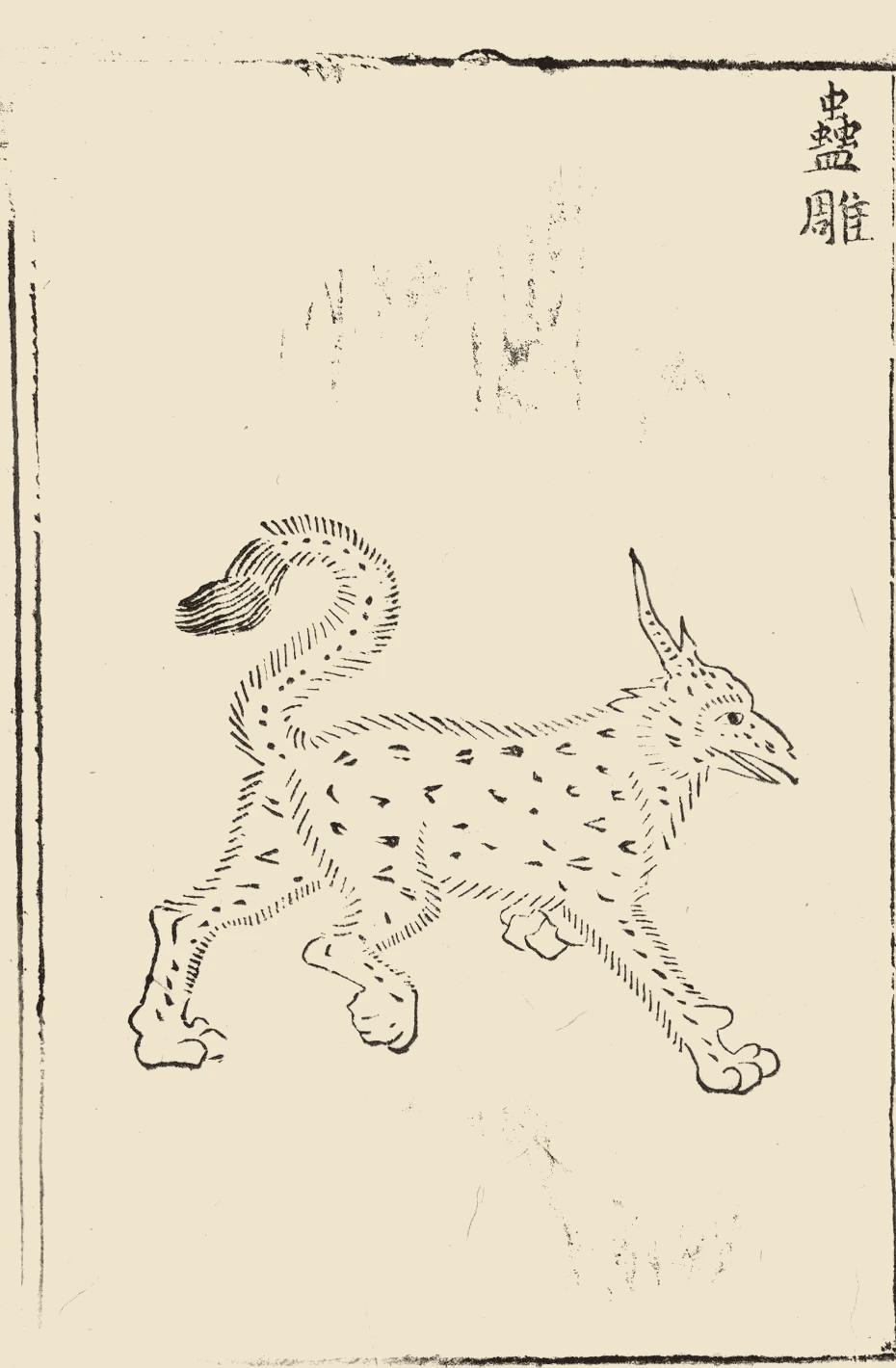
Horned spotted beast in Ming edition明代格致丛书本题为蛊雕 — Also a horned spotted beast; the spots are short strokes and the tail is tufted同样是有角的斑点兽,斑点画成短线,尾端成簇

Gudiao Tu 蠱雕圖, the horned beast of Mount Luwu. Gujin Tushu Jicheng 古今圖書集成, Animal Kingdom, woodblock print, 1726清·陈梦雷等编《古今图书集成·禽虫典》“蛊雕图”,雍正四年(1726)铜活字印本 · Public domain公有领域Hu Wenhuan, Newly Carved Classic of Mountains and Seas, 1593, juan 2, PDF page 132, inscribed 'Gudiao'明·胡文焕《新刻山海经图》卷下(PDF第132页),万历二十一年(1593)格致丛书本,题“蛊雕” · Hu Wenhuan 胡文煥 (ed.)胡文焕 编, 15931593年

Highlighted words: anatomy part · feature · form type — tap to jump标色词:形态部位 · 特征 · 形态类别,点击可跳转

The texts原文

Original Text & Translation原文与译文

山海經·南山經 · Shan Hai Jing · Wikisource

水有獸焉,名曰蠱雕,其狀如雕而有角,其音如嬰兒之音,是食人。
In the water there is a beast named Gudiao; its form resembles an eagle yet has a horn, its voice is like the sound of an infant, and it eats humans.

Comparing the Books典籍对比

The Shan Hai Jing gives one line: a horned, eagle-like beast in the water that cries like an infant and eats people. Both woodblock prints draw it as a horned, spotted four-legged beast instead.
The story来历与故事

The man-eating horned beast of Mount Luwu in the Shan Hai Jing: resembling an eagle with a horn, it cries like a human infant and dwells in the waters to prey upon people.

The Horned Beast of Mount Luwu鹿吴之山:水有蛊雕

Gudiao is a man-eating horned beast in the Zegeng River of Mount Luwu.《南山经》记载蛊雕居于鹿吴山之泽更水中。

In the Classic of the Southern Mountains, Gudiao dwells in the Zegeng River of Mount Luwu, where neither grass nor trees grow.

The Zegeng River flows southward to pour into the Pang waters.

Hu Wenhuan, Newly Carved Classic of Mountains and Seas, 1593, juan 2, PDF page 132, inscribed 'Gudiao'
Hu Wenhuan, Newly Carved Classic of Mountains and Seas, 1593, juan 2, PDF page 132, inscribed 'Gudiao'明·胡文焕《新刻山海经图》卷下(PDF第132页),万历二十一年(1593)格致丛书本,题“蛊雕”

Eagle-Like Form and Infant Cry如雕而角:啼声如婴

It resembles an eagle with a horn and cries like a human infant.经文说它状如雕而有角,叫声像婴儿,会吃人。

The classical entry states that its form resembles an eagle yet bears a horn upon its head.

Its voice sounds like the crying of a human infant, and it preys upon people.

Woodblock Depictions of a Horned Beast典籍版画:有角斑兽

Woodblock prints depict it as a spotted quadruped rather than a bird.《古今图书集成》画其为四足角兽,明胡文焕本亦作斑点兽形。

The Gujin Tushu Jicheng print draws Gudiao not as a bird but as a four-legged beast with a horn.

Its body is covered in spots and it walks on four legs, while the text says it looks like an eagle.

Hu Wenhuan's 1593 edition likewise shows a spotted, horned four-legged beast, inscribed Gudiao.

Record档案

Record Card档案卡

TypeFierce Beast (man-eating horned water beast of Mount Luwu)
Also known asGudiao 蠱雕 (one variant reading: 纂雕)
Earliest sourceShan Hai Jing 山海經 (Classic of the Southern Mountains, c. 4th–2nd c. BCE)
DwellingZegeng River of Mount Luwu (鹿吳之山·澤更之水), which flows into the Pang waters
NatureA beast in the water that eats people (水有獸焉……是食人)
Earliest source山海經·南山經
Source books山海經·南山經
Image sourceChen Menglei 陳夢雷 (ed.) · Wikimedia Commons
LicensePublic domain

Frequently Asked Questions

What does the Shan Hai Jing say about Gudiao?

The text states that Gudiao lives in Mount Luwu's Zegeng River, looks like an eagle with a horn, sounds like an infant, and eats humans.

Why is Gudiao drawn as a four-legged beast rather than a bird?

While the text says it is shaped like an eagle, the Gujin Tushu Jicheng and Ming woodblocks both depict it as a horned spotted quadruped.

Where does Gudiao reside in the classical geography?

It lives in the Zegeng River on Mount Luwu, a mountain with no grass or trees but much metal and stone.