Sǒngsī

竦斯Songsi

The human-faced pheasant-like bird of Mount Guanti in the Shan Hai Jing: it leaps upon seeing people and calls its own name.《山海经》记载灌题山异禽竦斯:其状如雌雉而人面,见人则跃,其鸣自呼。

Head头首

Human face on bird生有端严容貌

人面

Body身形

Like a female pheasant通体生覆羽翼

其狀如雌雉

Legs足爪

Leaps upon seeing men逢客昂然凌空

見人則躍

Voice鸣声

Calls its own name啼唤本身名号

其鳴自呼也

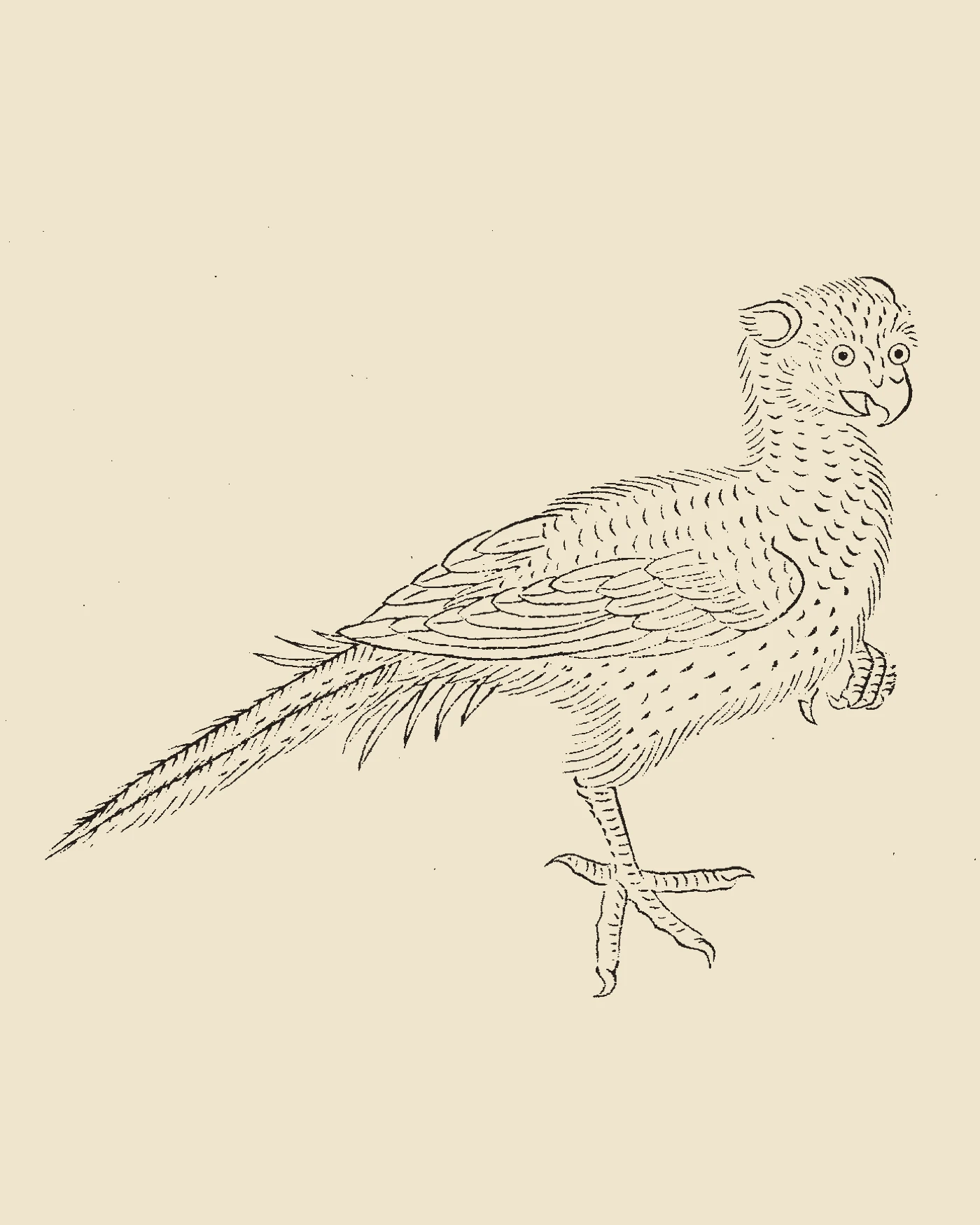
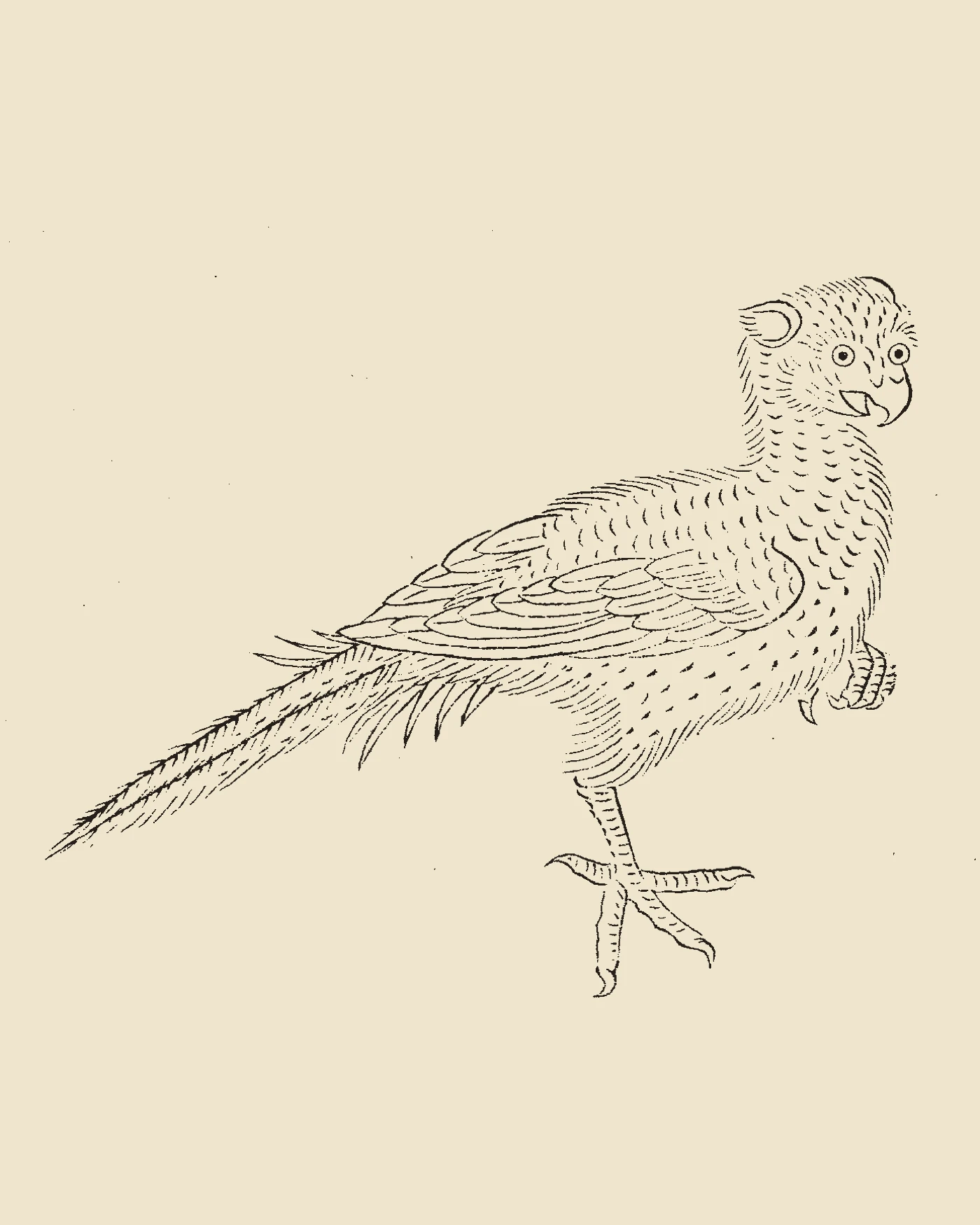
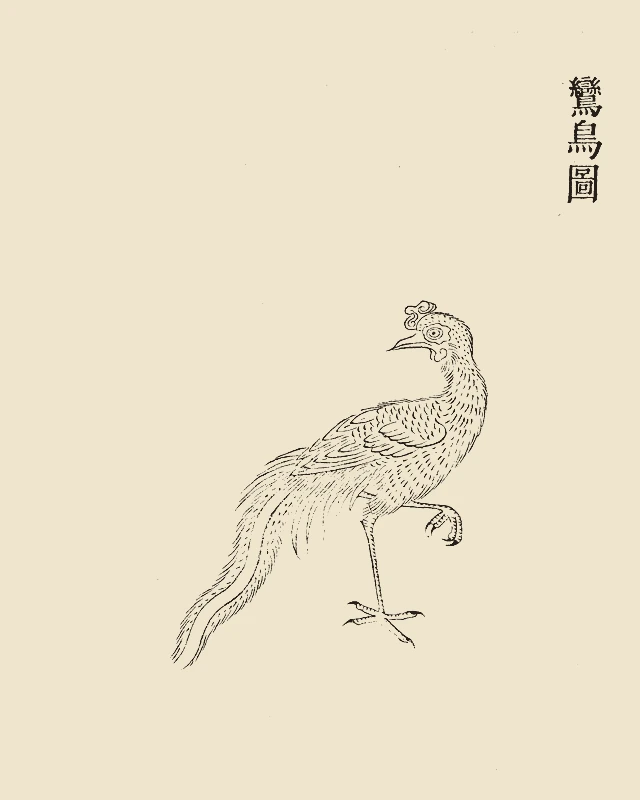
Woodblock print from Gujin Tushu Jicheng showing Songsi, a bird with the body of a pheasant and a human face, leaping alertly人面Human face and beak人面鸟喙人面Human face and beak人面鸟喙其狀如雌雉Pheasant wings & feathers如雌雉羽其狀如雌雉Pheasant wings & feathers如雌雉羽見人則躍Leaping clawed talons见人腾跃見人則躍Leaping clawed talons见人腾跃其狀如雌雉Tapering pheasant tail修长雉尾其狀如雌雉Tapering pheasant tail修长雉尾
有鳥焉,其名曰竦斯

There is a bird here; its name is Songsi.

山海經·北山經
Songsi Tu 竦斯圖, the human-faced pheasant bird that leaps before people. Gujin Tushu Jicheng 古今圖書集成, Animal Kingdom, juan 122, woodblock print, 1726清·陈梦雷等编《古今图书集成·禽虫典》卷一百二十二“竦斯图”,雍正四年(1726)铜活字印本 · Public domain公有领域

Highlighted words: anatomy part · feature · form type — tap to jump标色词:形态部位 · 特征 · 形态类别,点击可跳转

The texts原文

Original Text & Translation原文与译文

山海經·北山經 · Shan Hai Jing · Wikisource

有鳥焉,其狀如雌雉而人面,見人則躍,名曰竦斯,其鳴自呼也。
There is a bird here whose form resembles a female pheasant with a human face; upon seeing humans it leaps about. Its name is Songsi, and its cry calls its own name.

Comparing the Books典籍对比

The Shan Hai Jing records Songsi as an extraordinary human-faced avian of Mount Guanti distinguished by its excited jumping response to human travellers.
The story来历与故事

The human-faced pheasant-like bird of Mount Guanti in the Shan Hai Jing: bearing a human countenance, it leaps upon seeing people and calls its own name.

The Bird of Mount Guanti灌题异禽:其名曰竦斯

Songsi is a human-faced leaping bird dwelling on Mount Guanti.《北山经》记载灌题之山多樗柘流沙,其中有鸟名曰竦斯。

In the Classic of the Northern Mountains, Songsi inhabits Mount Guanti, three hundred and twenty li north of Mount Danzhang.

The mountain slopes abound with tallow trees, shifting sands, and magnetic lodestones, harboring this unique leaping avian.

Pheasant Form, Human Face, and Leaping Display人面雌雉:见人则跃

It has a human face, leaps when seeing people, and calls its name.经文记其状如雌雉而人面,见人则跃,其鸣自呼也。

The Shan Hai Jing specifies that Songsi resembles a female pheasant in body and plumage, yet possesses a human face with attentive eyes.

When encountering human travelers it bounds and hops into the air ('jian ren ze yue'), chanting its own name in resonant cries.

The Gujin Tushu Jicheng Woodblock Print清代图谱:腾跃灵禽

Woodblock prints illustrate it poised mid-leap with spread feathers.《古今图书集成》画其为一头人面长尾、凌空振羽雀跃的神鸟。

The 1726 imperial encyclopedia Gujin Tushu Jicheng illustrates Songsi poised mid-stride with one claw lifted as if startled into a dance.

The woodblock engraving depicts its intricate scalloped feathering, alert human-like visage, and sharp grasping spurs.

Record档案

Record Card档案卡

TypeDivine Bird (human-faced leaping pheasant of Mount Guanti)
Also known asSǒngsī 竦斯; Songsi Bird (竦斯之鳥)
HabitatMount Guanti (灌題之山) in the Northern Mountains, rich in magnetic lodestones and drifting sands
BehaviorExcitedly leaps and flutters when seeing humans (見人則躍)
Earliest source山海經·北山經
Source books山海經·北山經
Image sourceChen Menglei 陳夢雷 (ed.) · Wikimedia Commons
LicensePublic domain

Frequently Asked Questions

What does Songsi look like in the Shan Hai Jing?

The classic describes it as a bird resembling a female pheasant with a human face ('shaped like a female pheasant with a human face').

Why does Songsi leap when it sees humans?

Ancient commentators note that upon sighting humans, Songsi hops and flutters in an alert or startled dance ('upon seeing humans it leaps').

What does the cry of Songsi sound like?

The classic records that its cry calls its own name ('its cry calls itself'), producing syllables sounding like 'song-si'.